

Open source means anyone can see and change Android's code. Google shares it freely, so phone makers and coders build on it without starting from scratch. This setup speeds up new ideas and fixes bugs fast. Communities of developers add tools that improve apps and security. You get fresh updates quicker than closed systems. For users, this means phones that adapt to needs, not locked designs.
Phone brands add their own look to Android, called skins. These options let you pick a style that matches your taste. Want more? These tweaks turn your phone into a personal tool without much hassle.
Android phones come in all shapes and costs, from cheap ones under $200 to fancy foldables over $1,500. Brands like Motorola offer solid budget picks with good cameras. High-end models from OnePlus pack fast chips for gaming. This mix beats the tight control of Apple's lineup, where choices stay narrow.
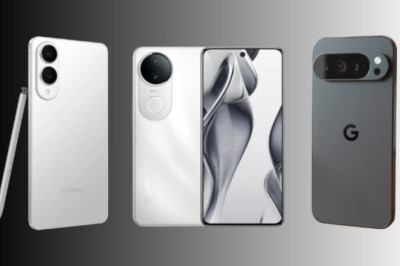
Top Android phones shine in the premium world. Samsung's Galaxy S25 series brings DeX mode, turning your phone into a desktop with a monitor. Its cameras switch lenses for sharp night shots or wide views. Google Pixel 9 nails photos with smart AI edits, like removing objects from pics. Pure Android means no extra fluff, just smooth updates. Foldables change the game too. The Galaxy Z Fold6 unfolds to a tablet size for reading or editing. Galaxy Z Flip6 fits in pockets but opens for selfies. These devices push Android hardware forward, blending phone and more.
Key specs matter for your Android phone pick. Screen refresh rate, in Hz, sets how smooth scrolls feel—90Hz or 120Hz cuts blur on budget models. RAM keeps apps running without reloads; 8GB handles most tasks well. Storage uses UFS for quick file access, better than slower eMMC. Processors vary: Qualcomm's Snapdragon 8 Gen 4 flies through games with great battery. Samsung's Exynos matches it but heats up more. Google's Tensor G4 boosts AI features like voice typing. Pick based on use—gamers want Snapdragon, photo fans lean Pixel. Test in stores to feel the difference.
Android ties right into Google's tools for easy life. Gmail sorts emails with smart labels. Drive stores files across devices, syncing photos fast. Google Photos backs up shots with free edits. Assistant answers questions or sets reminders with a voice tap. This setup saves time—no switching apps much. Over 3 billion users rely on it daily. Your phone becomes a hub for work and fun.
The Play Store holds millions of apps, from games to tools. Search for "fitness trackers" and find free or paid options. It checks apps for safety before you download. But Android lets you sideload APKs from outside sources. Grab a file from a trusted site, enable unknown sources in settings, and install. It's great for beta apps or region-locked games. Watch out—stick to safe spots to avoid malware. Unlike closed stores, this freedom gives more choices, but check reviews first.
Android stands out with its open nature, huge hardware choices, and deep tweaks. You get phones for any budget, from simple daily drivers to foldable powerhouses. Software flows with Google tools, and updates now last longer. Multitasking and security add real power for all users. Looking ahead, AI will weave deeper into cameras and assistants, making phones smarter. Update timelines will tighten across brands, easing worries. Android fits tech fans and casual folks alike, holding its market lead strong. Ready to upgrade? Check the latest models and find your perfect match today.






Comments
0 comment